

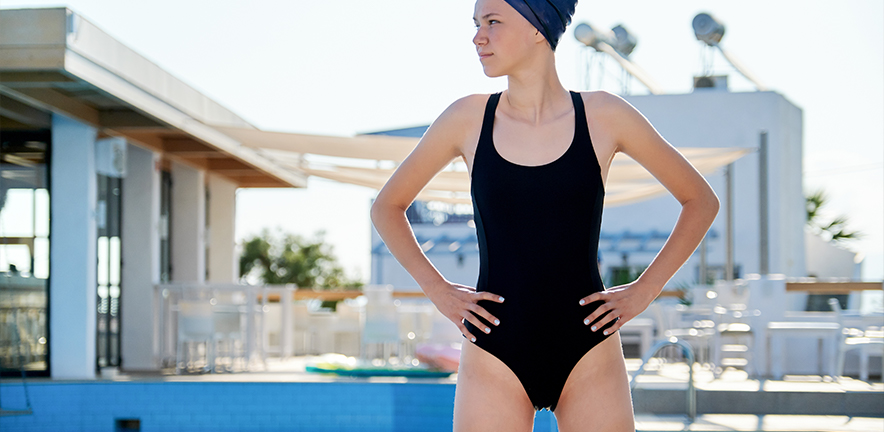
Many swimmers buy a suit that looks good but feels wrong in the water. For example, straps may dig in, seams may rub, or loose fabric may drag. Children can feel distracted, while team swimmers may lose focus during long sets. As a result, a poor fit can turn practice into a frustrating task—the most comfortable swimsuits for swimming fit close without pinching, shifting, or blocking movement.
At BLAST Swim Team, our coaches help families understand how comfort, fabric, and training needs work together. Swimmers who want to join swim teams in Los Angeles, CA need a secure suit. Therefore, it should stay in place through starts, turns, drills, and repeated laps. This blog explains what coaches look for, which materials last, and how parents can avoid common fit problems. Therefore, the right choice should help the swimmer move freely and feel ready to learn.
Comfort Starts With the Right Fit
A comfortable suit should feel close without squeezing. The neckline should stay flat during movement. Meanwhile, leg openings should remain secure without leaving deep marks. For many swimmers, the best swimsuit for swim practice feels firm when dry because water can loosen some fabrics. However, the suit should never block shoulder motion or make breathing hard.
A child should raise both arms, bend, squat, and twist before buying. These checks show whether the suit may shift in water. As a result, loose fabric can collect water and slow movement. Very tight fabric can rub during long sets. Because body shapes differ, comfort comes from fit rather than size labels. Swimmers should test strap pressure, torso length, and leg comfort before choosing for every practice.
What a Swim Coach Checks Before Practice
In practice, a coach watches how a suit behaves during movement, not only how it looks. BLAST Swim Team coaches check secure coverage, free shoulder motion, and rubbing. A swimmer should focus on breathing, body line, and stroke work.
- Straps should stay in place without cutting into the shoulders.
- Fabric should stay flat across the chest, hips, and back.
- Leg openings should not ride up during kicking or starts.
- The suit should allow a full streamline without torso pulling.
- Seams should feel smooth during repeated movement.
These checks matter for comfortable swimsuits for kids because children may not explain discomfort clearly. Therefore, parents should look for red marks, pulling, or frequent adjustments. Such signs often mean the fit or style needs attention.
Fabric Choice Changes Comfort
Swimsuit fabric affects stretch, shape, drying time, and chlorine wear. A suit used often needs stronger fabric than a suit worn for casual pool time.
Polyester and PBT
A polyester PBT swimsuit is a common choice for frequent training. The fabric tends to hold its shape well during repeated pool use. Still, it can feel firmer than softer blends. However, many team swimmers prefer that steady fit because it moves less during practice.
Nylon and Spandex
A nylon and spandex swimsuit often feels soft and flexible. It may suit light lessons or less frequent swimming. Yet regular chlorine exposure can weaken stretch over time. For daily practice, chlorine-resistant swimwear often gives families better long-term value. Comfort depends on both softness and how well the suit keeps its shape.
Practice Styles Compared by Training Need
Training level changes what a swimmer needs from a suit. BLAST groups progress from Pre-Team through National.
| Training stage | Main need | Helpful suit features |
| Pre-Team | Learning strokes | Soft lining and easy movement |
| Bronze and Silver | More laps and turns | Stable straps and leg openings |
| Gold and Junior Olympic | Longer sets and meets | Durable fabric and a close fit |
| Senior through National | Heavy training and race work | Best swimwear for lap swimming stays flat |
A one-piece swimsuit for swimming practice often stays secure during drills. A racerback swimsuit for swimmers may control straps well. Boys can compare jammers vs swim briefs by coverage and hip freedom. Our coaches serving swim teams in Los Angeles, CA often value a stable fit during long sets. For comfortable swimsuits for competitive swimmers, families should understand training swimsuit vs competition swimsuit before buying race gear.
Choosing Comfortable Swimwear for Children
Children need suits that support learning without creating new worries. For this reason, a child who keeps pulling at straps cannot focus on instructions. Parents seeking kids swimming classes in Los Angeles, CA should test the suit at home before lessons.
- Ask where the suit feels tight, loose, or rough.
- Check whether the child can reach overhead without pulling.
- Look for full lining when extra coverage helps confidence.
- Avoid loose ties, heavy trim, and parts that shift.
- Test the suit before an important lesson or meet.
The best comfortable swimsuits for kids should feel secure during floating, kicking, and stroke work. Because children grow quickly, parents should check fit often. A suit that worked last month may become tight across the torso or legs.
Solving Straps, Chafing, and Torso Problems
Many comfort problems come from small fit errors. Swimmers seeking swimsuit straps that do not dig in should check strap width, back style, and torso length. Tight straps may mean the suit is too short rather than too small everywhere. Because of this, swimsuit sizing for long torsos needs special care. A longer cut can reduce shoulder pressure and pulling at the legs.
Smooth seams and stable fabric can support anti-chafing swimwear for swimmers, yet fit still matters most. Chafing often appears under the arms, around the neck, or near the inner leg. Swimmers should check painful areas before irritation grows. A change in style or size may solve the problem. However, ongoing skin pain should never feel normal during training.
Why Coach Guidance Helps Families Choose
Swimwear choices become easier when families know the swimmer’s group, schedule, and goals. A beginner needs comfort and secure coverage. A team swimmer may need stronger fabric. BLAST Swim Team provides year-round coaching and skill-based placement from Pre-Team through National groups. If you are looking for swimming lessons in Los Angeles, CA, you can ask our coaches about suitable suits.
Moreover, our coaches consider lesson length, stroke work, and training frequency. For this reason, a related guide about what children should wear and bring can help parents prepare beyond swimwear. Good advice should match the swimmer rather than push one style for everyone.
Care Keeps a Comfortable Suit Working Longer
Even a good suit can lose comfort when care breaks down. Chlorine, heat, rough surfaces, and hard twisting can affect fabric. Families preparing for youth swimming lessons in Los Angeles, CA should teach simple care habits early.
- Rinse the suit in cool water after each pool visit.
- Press out water gently instead of twisting the fabric.
- Air dry the suit away from direct heat and sunlight.
- Use a towel when sitting on rough pool decks.
- Read the care label before using soap or a washer.
Meanwhile, rotating two practice suits can reduce wear for swimmers training many days. Strong detergents and dryers may weaken stretch or lining. The most comfortable swimsuits for swimming stay useful longer when fabric keeps its shape. Care cannot fix poor sizing, but it can protect a well-fitted suit.
Choose comfortable swimwear and train with BLAST Swim Team. Call (818) 445-5188 or visit 3201 W. Verdugo Avenue, Burbank, CA 91501, to schedule a swim evaluation today for your child.
Frequently Asked Questions
Which type of swimsuit is most comfortable for regular swim practice?
Generally, a close-fitting training suit is often the most comfortable choice for regular practice. It should stay flat, allow full shoulder and hip movement, and avoid rubbing. Polyester or PBT suits may suit frequent swimmers because they hold their shape well. Comfort still depends on body shape, strap style, and correct sizing.
How tight should a swimsuit fit without restricting movement?
In practice, a swimsuit should feel firm but not painful. The swimmer should raise both arms, squat, twist, and breathe with ease. Straps should stay secure without deep marks. Leg openings should not cut into the skin. Small folds or gaps may show that the suit is too loose for active swimming.
Which swimsuit material stays comfortable after frequent chlorine exposure?
Generally, polyester and PBT blends often work well for frequent pool use because they tend to keep their shape. Nylon and spandex blends may feel softer, yet chlorine can weaken their stretch sooner. Swimmers should balance feel, training frequency, and care instructions when choosing fabric for repeated lessons or team practice.
Are one-piece swimsuits, jammers, or swim briefs better for beginners?
Beginners should choose the style that feels secure and allows easy movement. One-piece suits give steady coverage for many girls. Jammers offer more leg coverage for many boys. Swim briefs allow greater hip freedom. The best option is the one the swimmer can wear without pulling, rubbing, or feeling distracted.
How can swimmers prevent straps, seams, and leg openings from chafing?
Therefore, swimmers can reduce chafing by choosing the right torso length, smooth seams, stable straps, and secure leg openings. They should test full arm and leg movement before buying. Rinsing the suit and checking worn fabric can help. Pain, red marks, or repeated rubbing usually means the fit needs changing.
What swimsuits do coaches recommend for swim teams in Burbank, CA?
Coaches usually recommend durable practice suits that stay secure during laps, starts, turns, and drills. The suit should allow full shoulder and hip movement. Swimmers should ask their assigned coach about group needs before buying race-specific gear. Daily comfort and reliable fit matter more than decorative features.
What should children wear to swimming lessons in Los Angeles, CA?
Children should wear a secure swimsuit that allows easy kicking, floating, and arm movement. The suit should not sag, ride up, or press into the shoulders. Parents should check the lesson rules for caps, goggles, or other gear. A tested suit helps the child focus on learning and water comfort.
