

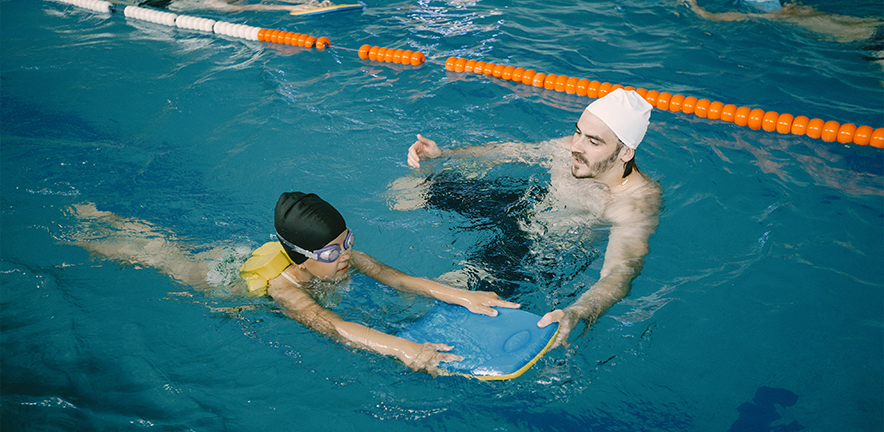
Swimmers often repeat the same errors. For example, one breath may lift the head and drop the hips. Because each movement affects another, extra laps may repeat the problem instead of fixing it. Thus, the best swim instructions work when a coach finds the cause, explains one change, and checks the result. Therefore, useful swim technique instructions should match the swimmer’s age, comfort, skill, and goals.
BLAST Swim Team offers aquatic coaching services in Los Angeles CA, as per with each swimmer’s current skills and goals. Our coaches study balance, breathing, kick timing, strokes, turns, and pacing. Each drill has a clear job, while feedback shows whether the change lasts. As a result, this process builds safe beginner habits and removes movements that waste time or energy.
Why Better Technique Changes Every Part of Swimming
Many parents ask why swimming lessons are important, even when a child already feels comfortable near water. In practice, a swimmer must breathe calmly, hold balance, and avoid wasting energy. Together, these skills support comfort, safety, and steady progress. Therefore, the benefits of swimming lessons become clear when a coach links each task to a real need. For example, balance can reduce drag.
Meanwhile, steady breathing can help a swimmer finish longer distances without panic. Likewise, stronger wall skills can keep a lap smooth. In contrast, the effects of poor swimming technique may include tired arms, sinking legs, rushed breaths, and slower turns. As a result, practice can feel harder than it should. Therefore, reliable swim instruction corrects the cause and provides enough practice to keep the change.
A Skill Review Shows Where Coaching Should Begin
Before choosing drills, a coach must watch the swimmer. Otherwise, the lesson may treat a visible error while missing its cause. For example, a wide kick may come from weak balance. Likewise, a rushed breath may begin with poor head control.
What a Useful Review Checks
- Water comfort and safe movement
- Balance, breathing, and kick control
- Stroke timing and hand path
- Turns, push-offs, and pace
As a result, this review finds common swimming technique mistakes without overloading the swimmer. Therefore, it shows whether the main issue involves breathing, posture, timing, or wall skills. When you choose swim coaching in Los Angeles, expect that review to guide a clear starting goal. Afterward, the swimmer can test one change during normal swimming and review the result.
Body Balance and Breathing Shape Freestyle
Maintaining the correct body position in swimming reduces drag and keeps the body aligned. As a result, the swimmer moves with better control and less wasted effort. Meanwhile, breathing must support that balance. Therefore, strong breathing techniques for swimming use a calm head turn rather than a forward lift. During each breath, the swimmer should avoid stopping the stroke. Together, these parts create a proper freestyle swimming technique that feels smooth instead of rushed.
| Skill area | What the coach checks | What the swimmer gains |
| Head position | Calm eyes and relaxed neck | Better balance |
| Breathing rhythm | Turn, inhale, and return | Smoother timing |
| Kick control | Small, steady leg action | More support |
| Hand entry | Entry near the shoulder line | Less wasted motion |
When these skills connect, each stroke uses less effort and keeps a steadier rhythm.
Drills Need a Clear Link to the Full Stroke
For progress, a drill should fix a movement that appears during normal swimming. If that link is missing, the swimmer may perform the drill well yet repeat the old error afterward. Therefore, good swimming drills for better technique isolate one skill and return it to the full stroke.
A Focused Practice Loop
- Name the movement that needs to change.
- Use a short drill that targets that movement.
- Return to regular swimming at an easy pace.
- Check whether the new movement remains.
As a result, this method explains how to improve swimming technique without giving many commands at once. We offer aquatic coaching services in Los Angeles CA, where each drill connects with a clear measure. Each measure shows whether the correction worked. The swimmer leaves with a specific skill to repeat.
Beginners Need Skills in a Safe Learning Order
Safe swimming techniques for beginners focus on comfort, breathing, floating, and body control. Stroke work becomes easier when the swimmer can stay calm and follow clear directions. The same order supports children and people taking swimming lessons for adults. Each learner may move at a different pace, yet safe control should come before speed or long distances. Basic water safety skills for swimmers include safe entries, floating, breathing control, and reaching a wall.
The question of “how long does it take to learn to swim” has no single answer for every learner. Progress depends on attendance, comfort, practice, health, and the goal. A safety-focused learner needs a different plan from an adult preparing for fitness laps. A child entering team training needs another plan.
Lesson Format Should Match the Learning Goal
Understanding the differences between private swim lessons vs group lessons can make it easier to choose the right option. Private lessons focus on individual progress and targeted skill development, while group lessons help swimmers practice in a structured setting with peers.
- Choose private work for a specific concern.
- Choose a small group for shared practice.
- Choose pre-team training for stronger stroke control.
- Choose team practices for pacing and race habits.
A useful program should show how each lesson fits the swimmer’s present stage. We offer the best swimming lessons in Los Angeles CA, including private, semi-private, group, and team across different skill levels. The right format should give the swimmer enough attention while keeping the task suitable for the current stage.
Strong Stroke Skills Create Speed Without Rushing
Learning how to swim faster does not mean moving the arms as quickly as possible. Speed grows when the swimmer reduces drag and keeps each movement connected. Good swimming stroke technique links posture, breathing, kicking, pulling, turns, and streamlining. A swimmer may gain speed by keeping the head still during a breath.
Another may improve by holding a tighter push-off from the wall. Weak timing can waste energy even when effort feels high. Coaches should increase pace only after the swimmer can hold the movement at an easier speed. This approach protects the skill during harder sets. It helps the swimmer understand which action created the improvement. Speed becomes a result of cleaner movement, stronger control, and steady practice rather than rushed effort.
Good Coaches Make Feedback Specific and Useful
A search for swim coaches near me may show many options, yet teaching habits matter more than distance alone. In practice, the signs of a good swim instructor include careful observation, simple cues, safe progressions, and honest updates. Although certified swim instructors may bring valuable training, those credentials should appear in the way they teach.
Strong swimming stroke technique coaching uses that knowledge to choose the right correction and measure it. Families should ask how skills are checked, how swimmers are placed, and how progress is shared. Clear answers help parents judge whether the program fits the swimmer.
Clear Instruction Makes Every Practice More Useful
The best swim instructions give each drill a reason and provide a way to check progress. They connect breathing, balance, stroke timing, starts, turns, and pacing instead of treating each skill alone. We support novice, adult, and competitive swimmers. Our program uses skill reviews, suitable placement, focused drills, and measurable feedback. Still, no coach can promise the same timeline for every person. Attendance, comfort, effort, health, and present skill affect progress.
However, clear coaching can help swimmers stop repeating the same errors. It can guide safer habits, smoother strokes, and better use of practice time. Families should choose instruction that explains the change, its purpose, and how to repeat it during later practices.
Call BLAST Swim Team at (818) 445-5188 for coaching guidance. Visit 3201 W. Verdugo Ave, Burbank, CA 91501, to discuss lesson placement, stroke goals, and training options with our team today.
Frequently Asked Questions
What makes swim technique instructions actually work?
Useful instructions focus on one movement, explain its purpose, and connect it with a short drill. The swimmer tests that change during normal swimming, while the coach checks the result. This cycle works because feedback stays clear, practice has a purpose, and progress can be measured through real movement.
Why does proper swimming technique matter so much?
Proper technique helps swimmers reduce drag, control breathing, save energy, and keep a steady rhythm. Poor movement can make each lap harder and slow progress. Good form supports safer practice, stronger endurance, smoother strokes, and better speed. It gives swimmers a sound base for harder skills through every stage of training.
What are the most common swimming technique mistakes?
Common mistakes include a lifted head, sinking hips, crossed hands, a wide kick, and weak streamline control. Swimmers may rush the stroke when tired or lose balance during breathing. A coach should correct the movement causing the largest problem before adding harder or faster work.
How long does it take to improve swimming technique with coaching?
Some swimmers notice a change within a few lessons, but keeping that change often takes longer. Progress depends on attendance, comfort, fitness, age, practice quality, and current habits. A useful plan tracks one skill at a time and avoids promising one result date for every swimmer.
Can beginners fix technique on their own, or do they need a coach?
Beginners can practice simple skills, but they may not notice their own timing or balance errors. A coach can see the cause, choose a safe drill, and give quick feedback. Practice alone works better after the swimmer understands the correct movement and knows how to check it.
Where can I find aquatic coaching services in Los Angeles CA?
BLAST Swim Team offers coaching for swimmers from beginner through competitive levels in Los Angeles. Training may cover posture, breathing, kick timing, strokes, turns, pacing, and race skills. Skill reviews, group placement, focused drills, and progress checks help match each lesson with the swimmer’s present goals.
Does BLAST Swim Team teach swim technique for kids and adults in Los Angeles, CA?
Yes. We offer lessons and coaching for children, adults, beginners, and competitive swimmers. Available options include private, semi-private, group, stroke-development, and team training. The coaching focus depends on age, comfort, current skill, and goals. Placement follows the program’s careful review process and the swimmer’s stated training needs.
