

Breaststroke can feel slow even when a swimmer works very hard. The kick may feel strong, yet the body may stop between each part. The head may rise too high, or the glide may last too long. Because every motion affects the full stroke cycle, one small error can waste speed. Swimmers who ask how to swim breaststroke faster need clear fixes, not more effort alone.
BLAST Swim Team helps swimmers find timing, body, and turn problems through skill-based coaching. Families looking for the best aquatic team in Los Angeles CA need clear coaching. The program should teach safe, legal, and useful race skills. Therefore, this blog explains six changes that can make breaststroke faster. Each fix focuses on less drag, better propulsion, and smoother movement from the pull through the glide.
Fix 1: Connect the Pull, Breath, Kick, and Glide
Strong breaststroke technique depends on one smooth rhythm. The pull-kick-glide sequence should move without a dead pause. Poor breaststroke timing can break propulsion and slow the full stroke cycle. During the pull, the swimmer lifts only enough to breathe. The arms recover forward as the legs prepare to kick.
Keep the Breath Small
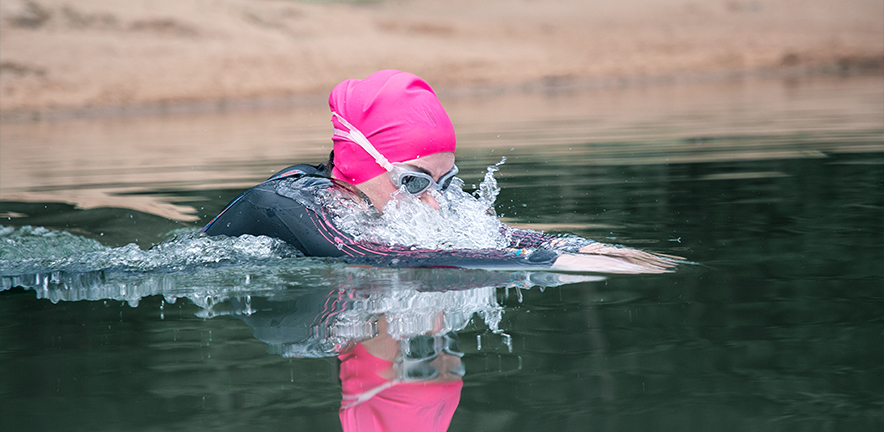
The breaststroke breathing technique works best when the head follows the chest. A high head position pushes the hips down and adds water resistance.
Send the Body Forward
The kick should finish as the hands reach a narrow streamline. Therefore, pull-kick-glide timing links every action. BLAST Swim Team coaches can break this rhythm into short cues and focused drills. Clear timing is a key part of breaststroke speed improvement.
Fix 2: Build a Faster and Narrower Kick
The breaststroke whip kick creates much of the stroke’s propulsion. However, kicking harder will not help when the feet or knees move poorly. A fast kick begins with a compact recovery and clear foot turnout.
- Bring the heels toward the hips without pulling the knees far under the body.
- Turn the feet outward before pressing water back.
- Sweep the feet around and finish with the legs together.
- Point the toes as the body enters the glide phase.
Wide knees can increase water resistance. Meanwhile, a slow kick recovery delays the full stroke cycle. The swimmer should feel pressure on the inside of the feet and lower legs. Therefore, kick drills should focus on shape and speed, not force alone. A narrow finish supports a better streamline and faster travel.
Fix 3: Use a Clean Arm Path
The breaststroke arm pull technique should create pressure without pulling too far back. During the outsweep, the hands move apart while the elbows stay near the surface. During the insweep, the hands move inward and forward. Because the pull is short, the hands should not pass far behind the shoulders. A deep or long pull can trap the arms near the chest.
As a result, arm recovery becomes slow and wide. Good breaststroke outsweep and insweep keep the elbows high and the hands quick. The swimmer should feel a firm hold on the water, followed by a fast return to streamline. Moreover, the hands should recover through a small path. This reduces drag and prepares the body for the kick and glide.
Fix 4: Hold the Head and Hips in Line
Good breaststroke body position keeps the swimmer close to the surface. The chest rises for the breath, yet the hips should not sink far. Because a high head can lower the legs, the breaststroke head position should stay natural. At BLAST Swim Team, our swimming lessons in Los Angeles CA help families track progress through stroke control, breathing, endurance, turns, and skill growth.
- Look slightly forward during the breath rather than lifting the chin high.
- Press the chest forward and down as the arms recover.
- Keep the hips near the surface during kick recovery.
- Finish each cycle in a narrow breaststroke streamline position.
These points reduce water resistance and help the kick send the body forward. However, the swimmer should not force the head under. The head follows the spine while the body moves as one unit. Better hip position can improve speed without extra effort. Less energy is spent pushing against the water.
Fix 5: Balance Stroke Rate and Glide Length
A long glide can feel smooth, yet it may slow race pace. A very fast cycle can waste energy and shorten distance per stroke. Therefore, swimmers need a useful balance between breaststroke stroke rate and distance per stroke. The right choice depends on skill, event length, and fatigue. BLAST uses clear training groups from Pre-Team through National.
| BLAST group | Typical age range | Practice days |
| Pre-Team | 6–9 | 3–5 |
| Silver | 7–11 | 4–5 |
| Gold | 8–12 | 4–6 |
| Junior Olympic | 8–13 | 5–6 |
| National | 13–18 | 6–7 |
Regular training creates time to test stroke count, tempo, and race pace. However, each swimmer still needs a rhythm that protects technique.
Fix 6: Improve Pullouts, Breakouts, and Turns
Breaststroke speed depends on race skills beyond surface swimming. The underwater pullout, breakout, two-hand touch, and breaststroke turn can change the full result. Because these skills follow race rules, swimmers need careful coaching.
Underwater Skills
- Hold a tight streamline after the start or push-off.
- Complete the underwater pullout without rushing.
- Begin the breakout before speed drops too far.
Wall Skills
- Touch with both hands at the same time.
- Turn quickly without losing body control.
- Push away in a straight, narrow line.
Through our swim teams in Los Angeles CA, athletes practice pullouts, breakouts, turns, and finishes at race pace to improve control during competition. Therefore, legal details and body control must stay clear under pressure. Small gains at each wall can often add up across every race.
Train Technique at Race Pace
Breaststroke may look strong at easy speed but fall apart under fatigue. The head rises, the knees spread, and the glide becomes uneven. Therefore, swimmers must practice technique under fatigue with clear limits. The swimmer should hold the same kick width during faster sets. Arm recovery should stay narrow when fatigue grows.
Moreover, stroke rate should rise without cutting the glide too short. Every wall still needs a legal two-hand touch. Coaches can compare splits, stroke count, and distance per stroke to measure control. Meanwhile, we design our youth swimming lessons in Los Angeles CA to improve body position, stroke timing, and endurance before swimmers take on harder race sets. A related guide on comfortable practice swimsuits can help swimmers reduce rubbing and stay focused during longer sets.
How BLAST Coaching Supports Faster Breaststroke
We provide year-round coaching with skill-based placement from Pre-Team through. That may include foot turnout, arm recovery, head position, breakout, or race pace. We welcome families seeking the best aquatic team in Los Angeles CA with year-round programs built around skill, age, and training goals. Moreover, our coaches link drills to full swimming, so each correction has a clear purpose. This process helps swimmers carry better form into faster sets and competition events. Improve breaststroke speed with expert coaching from BLAST Swim Team. Call us at (818) 445-5188 or visit 3201 W. Verdugo Ave., Burbank, CA 91501 to schedule an evaluation and begin focused training.
Frequently Asked Questions
What is the fastest way to improve breaststroke speed?
The fastest path to improve breaststroke speed is to fix the largest source of drag. For many swimmers, that means timing, body line, or kick recovery. A coach can watch the full stroke cycle and choose one clear change. Because too many corrections can confuse the swimmer, focused practice often brings better results than extra laps.
Why does my breaststroke feel slow even when I kick harder?
A harder kick may not help when the knees spread wide or the feet turn out late. The kick can create force while the body creates drag. Therefore, swimmers should improve kick shape, recovery speed, and timing. A compact whip kick followed by a narrow finish often moves the body farther.
How should I time the pull, breath, kick, and glide in breaststroke?
The pull starts the breath, while the legs prepare for the kick. The arms recover forward as the feet turn out. The kick finishes when the hands reach streamline. Therefore, the swimmer enters the glide with speed. The actions should overlap smoothly rather than feel like separate stops.
How long should I glide during each breaststroke cycle?
The glide should last while the swimmer still moves with useful speed. A glide that continues after speed drops can slow race pace. However, rushing into the pull can waste the kick. Swimmers should test stroke rate and distance per stroke during sets to find a steady rhythm.
Which breaststroke drills help increase speed and reduce drag?
Useful drills isolate timing, kick shape, body line, and arm recovery. Examples include kick work in streamline, pull with a small breath, and short cycles with controlled glide. Because every swimmer has different needs, drills should connect to the exact error and return quickly to full breaststroke.
How can an aquatic team in Los Angeles, CA improve breaststroke timing?
A qualified team can use direct observation, short cues, drills, stroke counts, and timed sets. Coaches may compare the pull, breath, kick, and glide under easy and fast conditions. Because timing changes under fatigue, regular feedback helps the swimmer keep the same rhythm during longer sets and races.
Do swim teams in Los Angeles, CA teach breaststroke pullouts and legal turns?
Competitive teams commonly teach underwater pullouts, breakouts, two-hand touches, and legal turns as part of race preparation. Swimmers need clear instruction because small rule errors can affect a race. Coaches should practice these skills at normal speed and race pace, while checking body control and timing.
